




For healthcare and social care organisationsSee the work

Buildingthe workforcefor continuous care

AI care workers handle check-ins, answer questions and coordinate follow-up. Staff step in when needed.

Plan a deployment
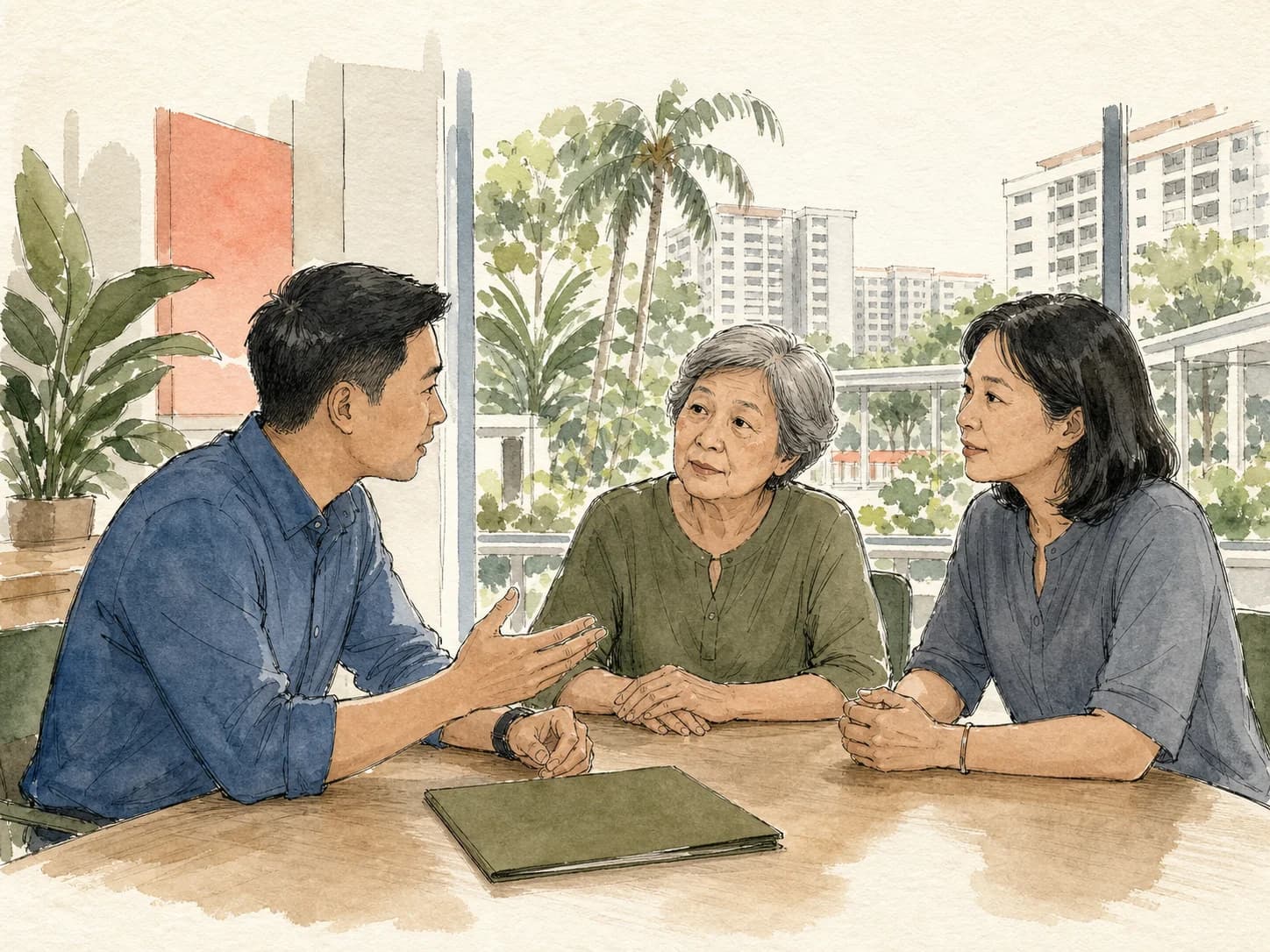
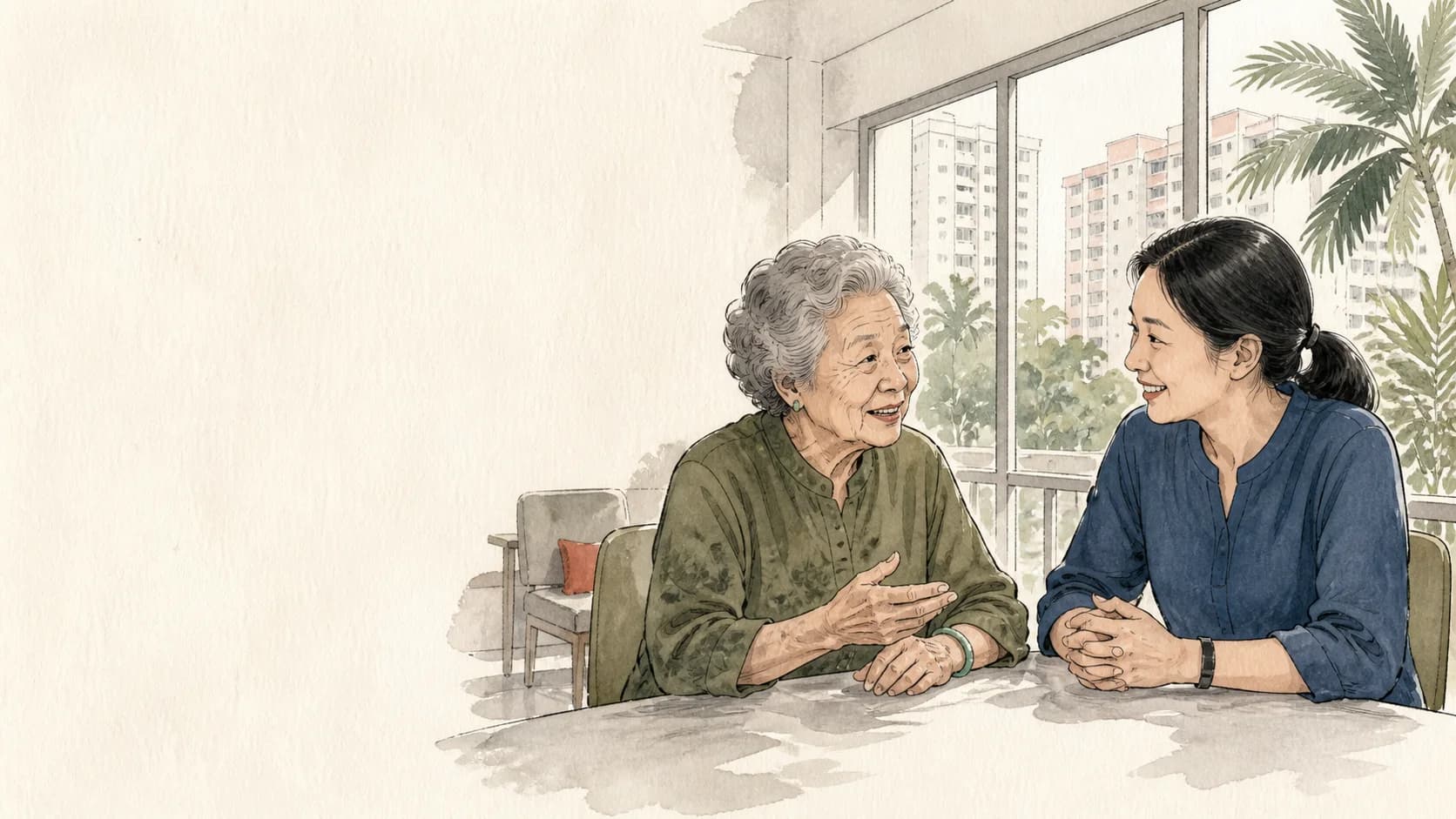
An older Singaporean woman speaking with a community care professional

Supported by

NUS Yong Loo Lin School of Medicine
Singapore University of Social Sciences
Microsoft
InterSystems
22Health Ventures

Healthcare and social care

Give routine care work an owner.

Social care

Build trust before recommending a service or activity.

Regular, low-pressure check-ins help older adults get comfortable replying before the care worker recommends a programme or service.

What the care worker handles

  • Scheduled check-ins
  • Interest discovery
  • Barrier detection
  • Staff escalation
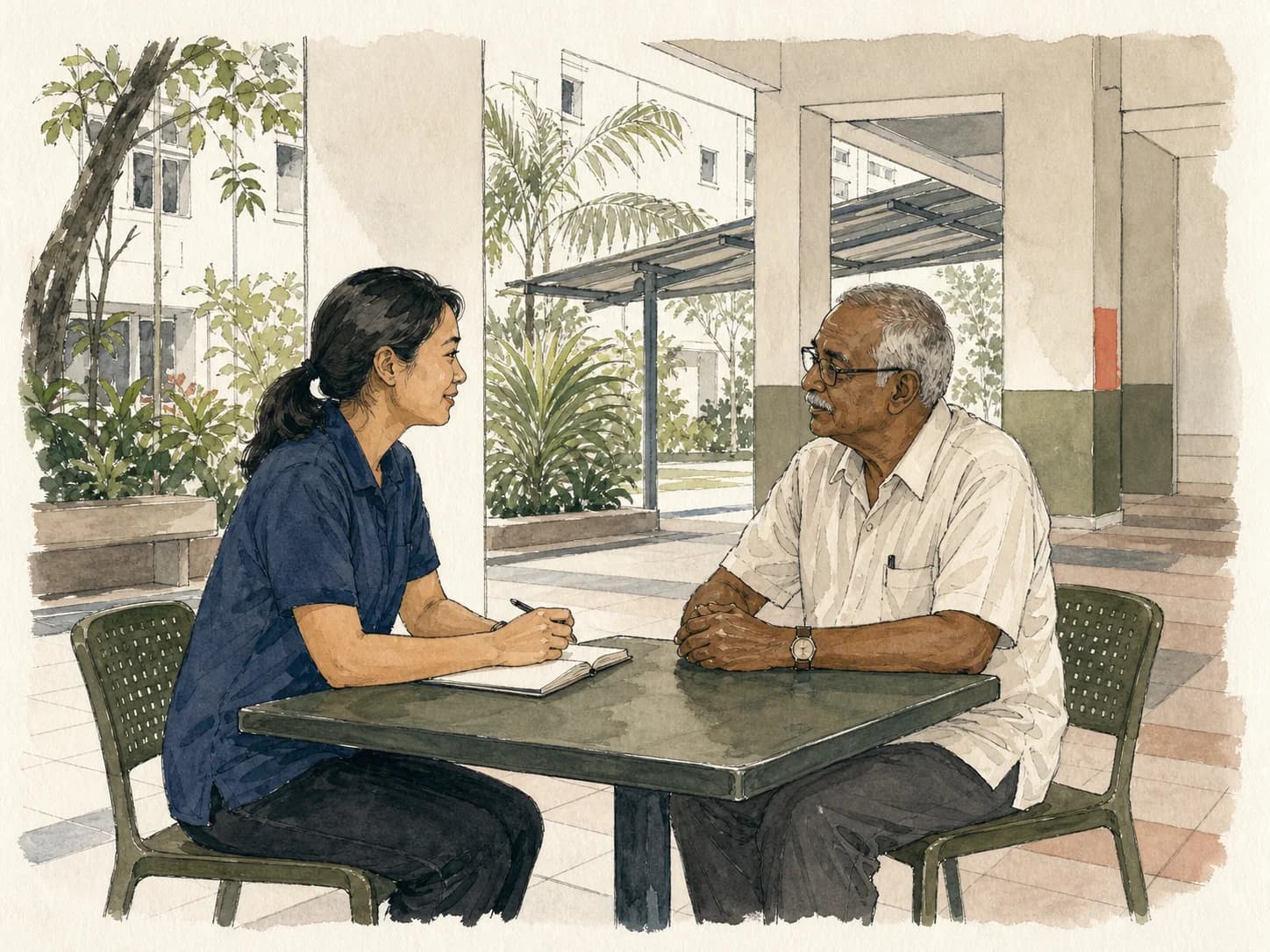
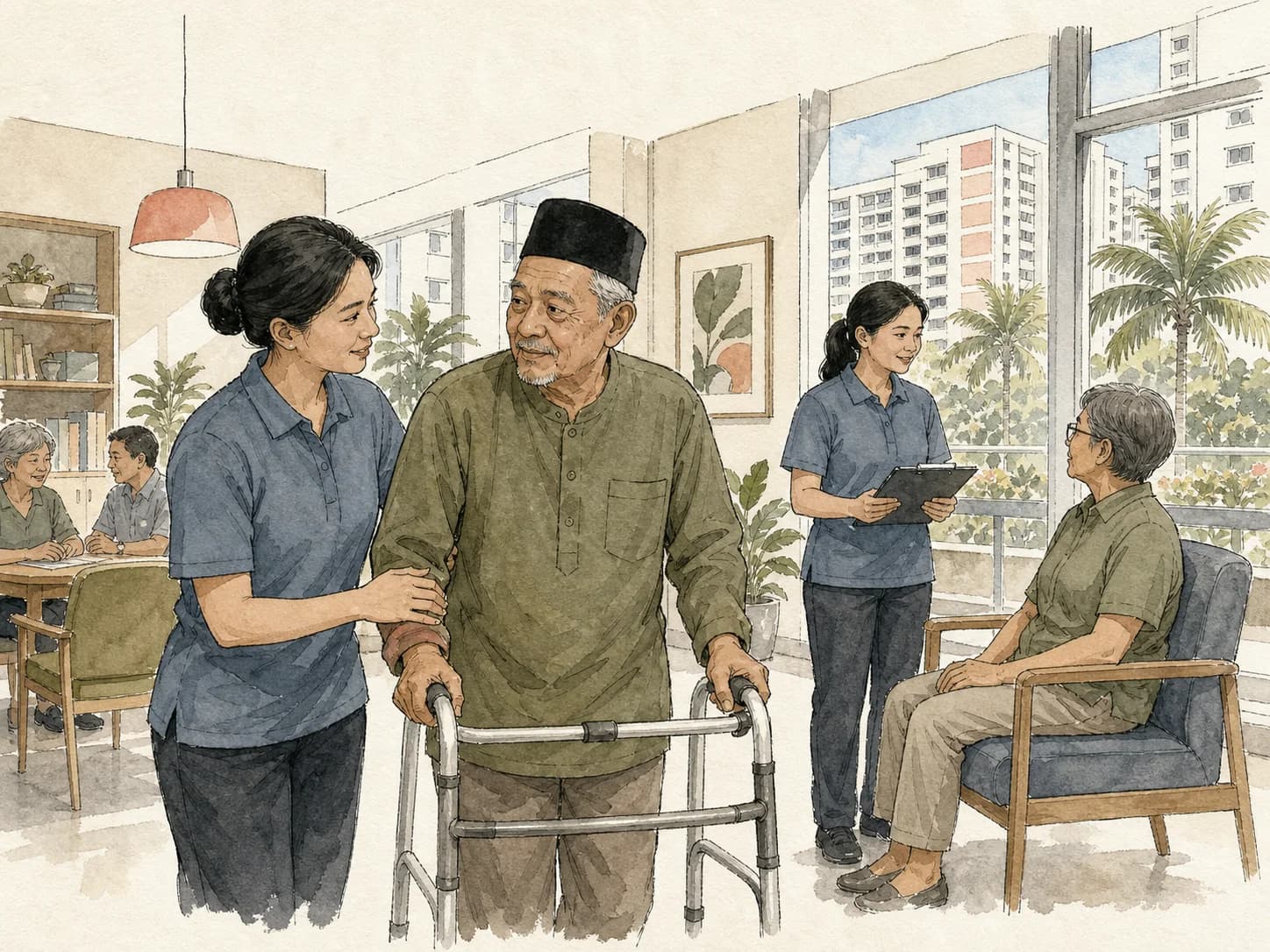
A Singaporean community care worker meeting an older man at an HDB void deck

Specialists that work as one care team

Each AI care worker has a defined goal, capability set, memory and integrations. They share context, hand off work and bring staff in when a person should take over.

Build a care worker
Recognised in 2026Galen Growth HealthTech 250

Selected among the 250 most promising early-stage digital health startups globally.

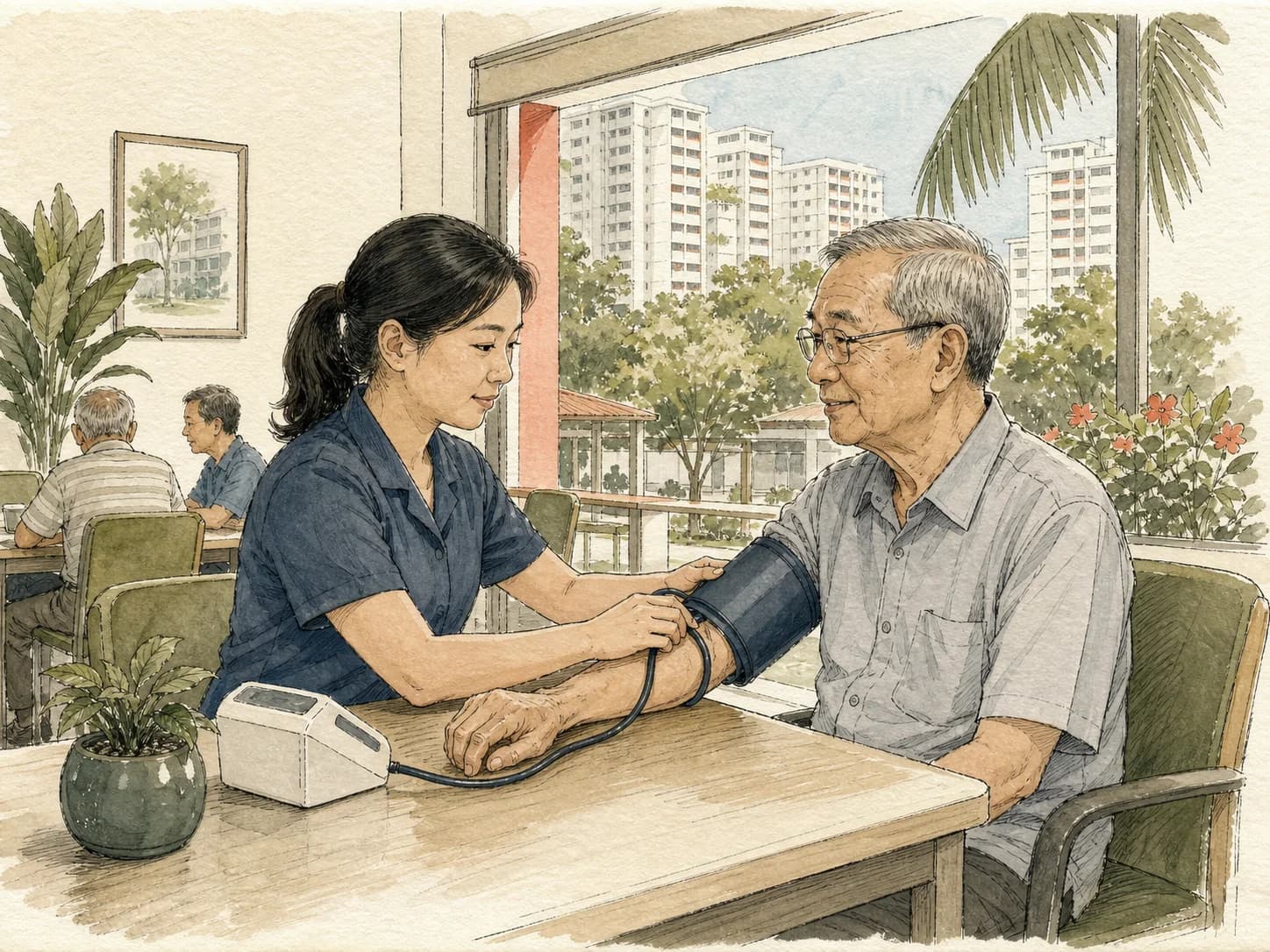
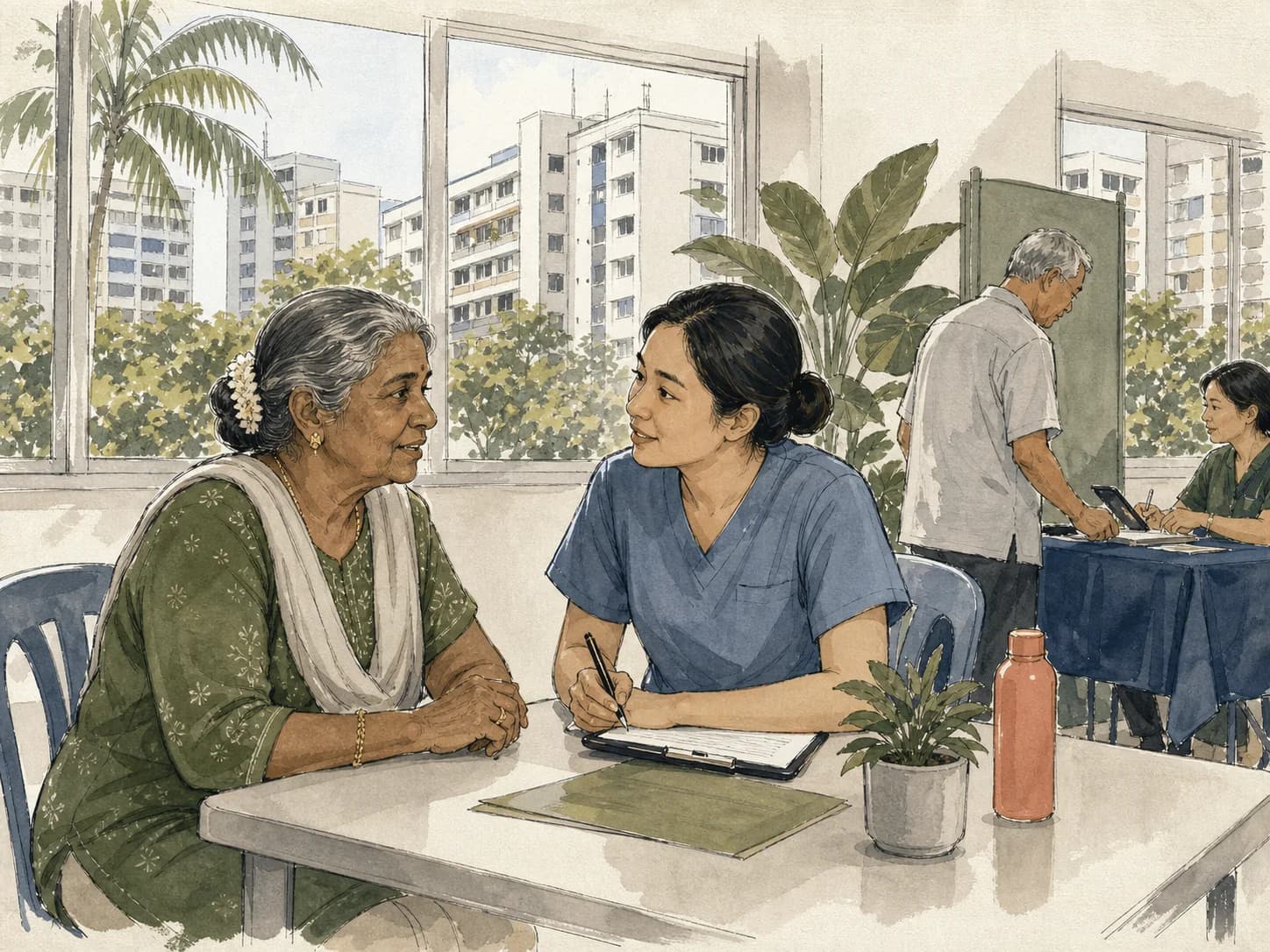
Singaporean community care professionals coordinating their work

Trust building

AI care worker

Introduces the service, answers scam concerns and earns consent.

Wellness outreach

AI care worker

Follows approved check-in, screening and vaccination protocols.

Preventive health

AI care worker

Runs approved chronic care, screening and vaccination outreach.

Activity matching

AI care worker

Learns interests, suggests suitable programmes and manages sign-ups.

Safety and escalation

AI care worker

Spots agreed risk signals, alerts staff and passes on context.

Smoking cessation

AI care worker

Checks readiness, follows up and brings clinicians in when needed.

Befriending

AI care worker

Checks in regularly and remembers what matters to each person.

Caregiver support

AI care worker

Checks in with family caregivers and shares approved support options.

Healthcare financing

AI care worker

Explains approved policies and handles routine administration.

Customer stories

What happens when the first message is about the person, not the programme.

View customer story
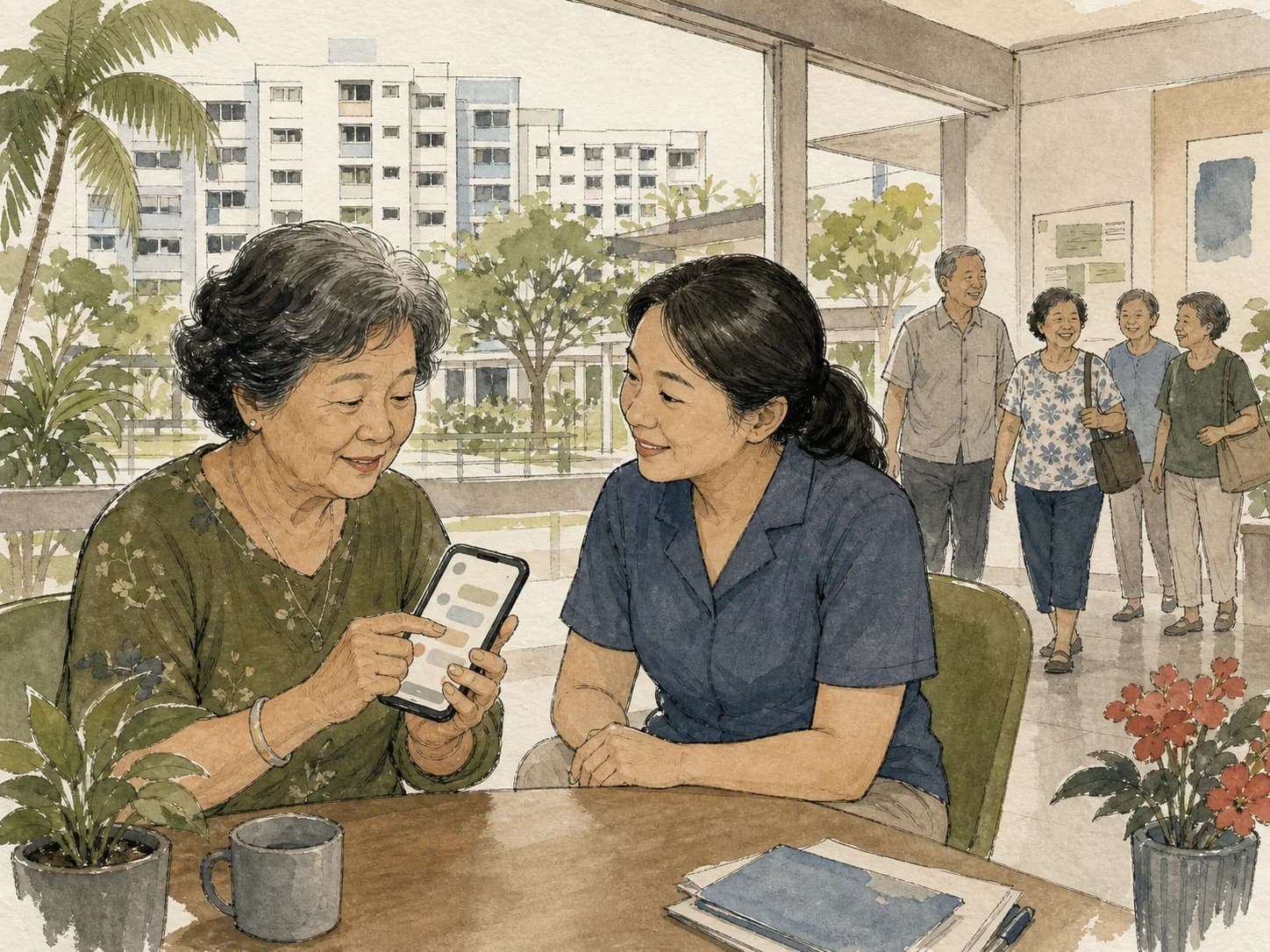
An older Singaporean woman speaking with centre staff after a WhatsApp check-in
Tzu-Chi Foundation Singapore

Tzu-Chi Foundation (Singapore)

Trust came before the activity invitation.

Marymount Labs and Tzu Chi co-developed WhatsApp check-ins for less active seniors. The care worker began with simple conversation, then learnt interests and suggested relevant activities.

Rapport firstParticipants shared interests, hobbies and the activities they wanted to see.
Read the case study

How it works

From conversation to completed care work

01

Listen

Talk with people through WhatsApp or voice.

02

Remember

Maintain preferences, consent, contact history and unresolved requests.

03

Act

Send reminders, collect information, coordinate services and update approved systems.

04

Hand over

Pause and bring in staff when a rule, request or risk signal requires human judgment.

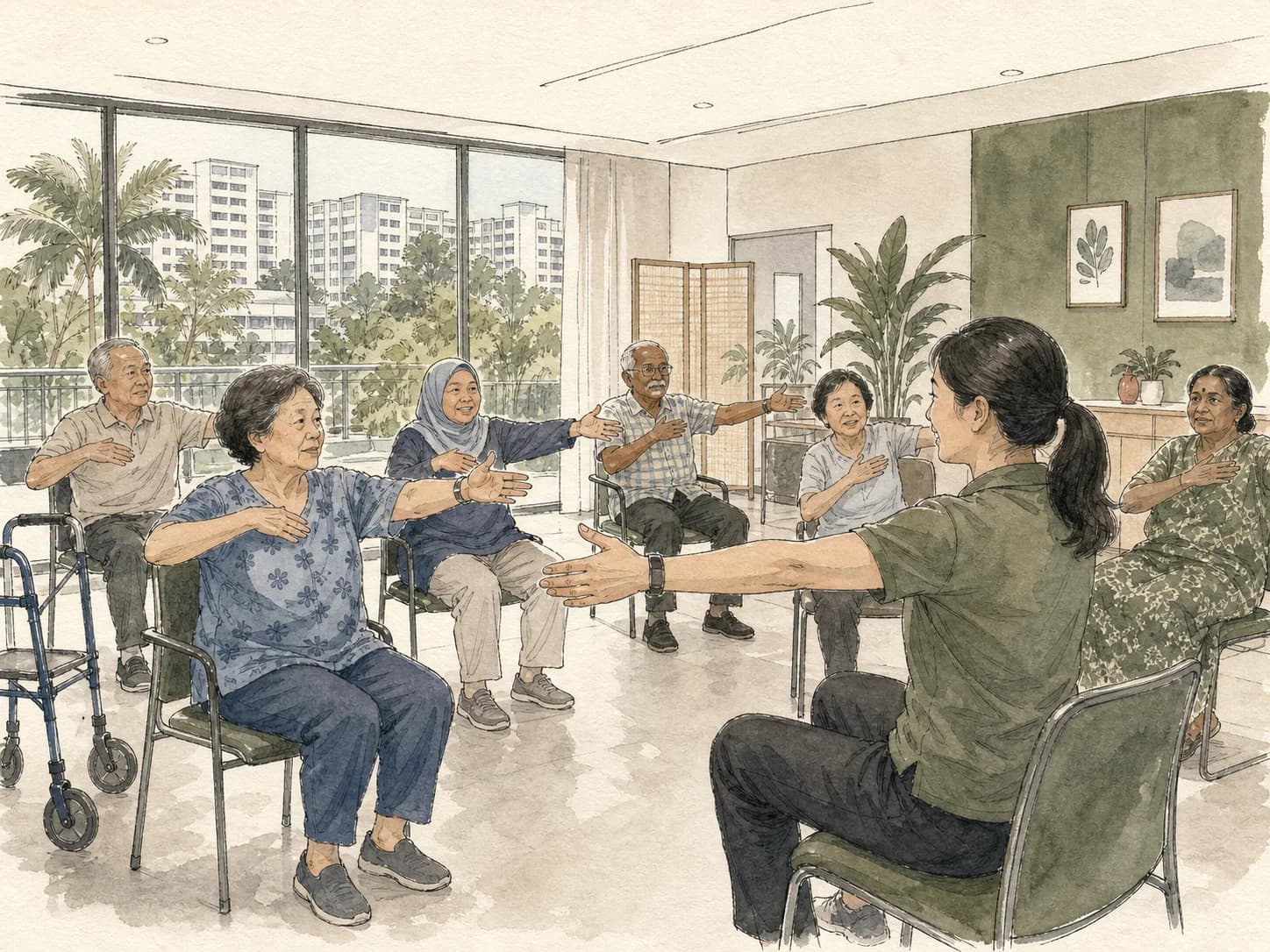
A Singaporean care team coordinating follow-up work at an Active Ageing Centre

One care team

AI handles continuity. Staff keep judgment and presence.

AI care worker

Checks in, remembers context, answers routine questions and follows up.

Care staff

Set the protocol, review exceptions and provide human or physical care.

Work that pays for itself

The business case for AI care workers

Measure each role by the work completed, the people reached and the staff time returned to care.

Talk to us
01

Reach every person on schedule

Give each person the follow-up your service has promised, including evenings and weekends.

02

Keep routine work moving

Let the care worker handle reminders, replies and follow-up while staff focus on people who need judgment or presence.

03

Know who needs a person

Set the signals that should pause the conversation and bring a named staff member in.

Controls

Designed for supervised care work

The care worker does not decide its own remit. Your organisation sets the protocol and the staff member responsible for every handoff.

  • A written role and clear limits
  • Approved protocols and messages
  • Named handoff routes
  • Conversation history for staff